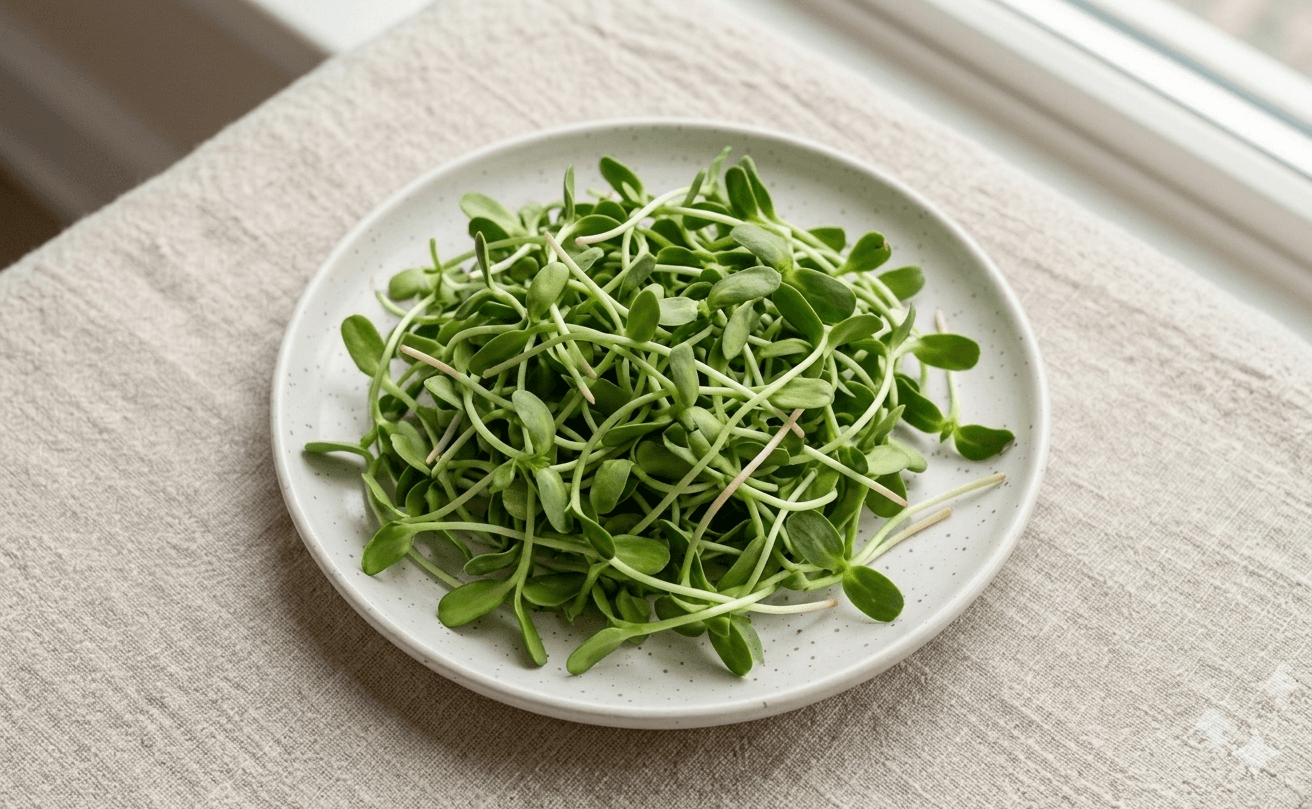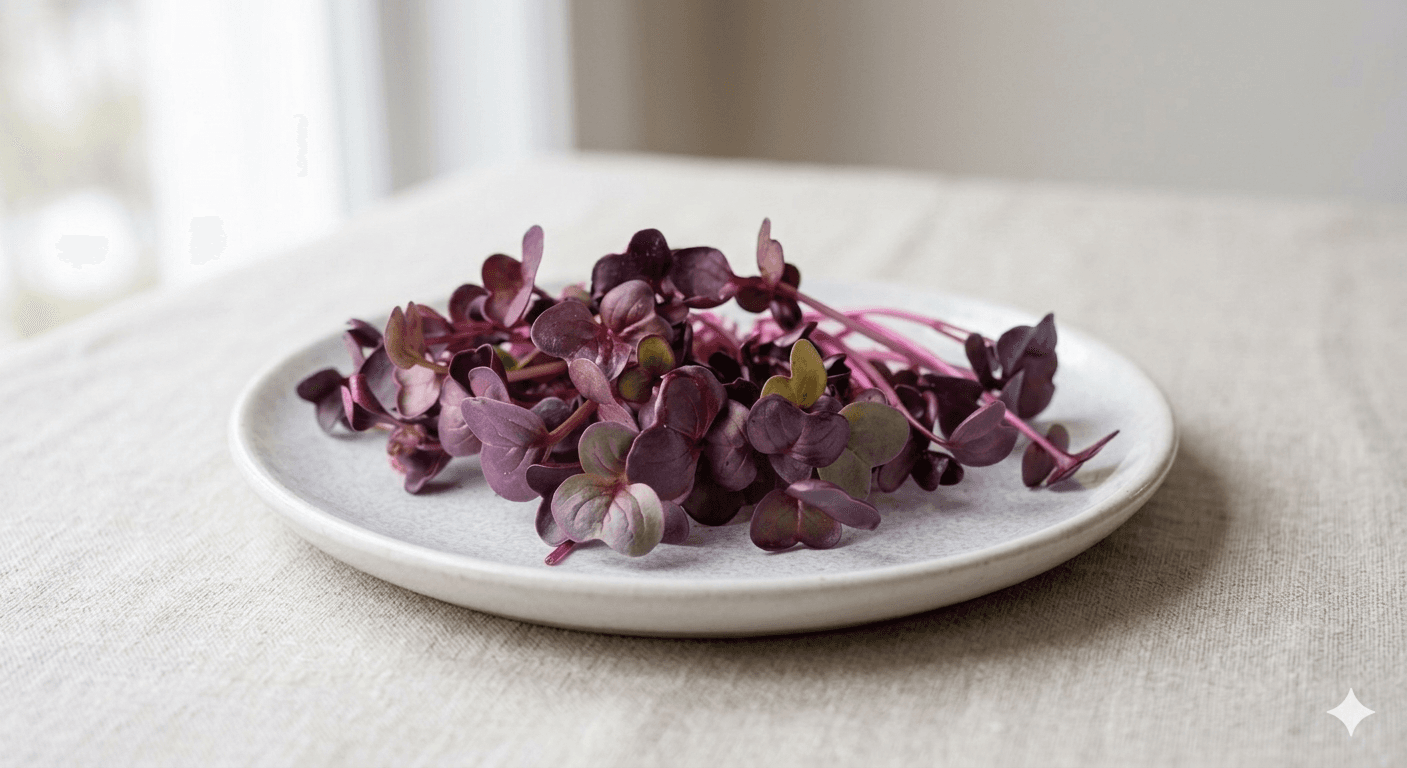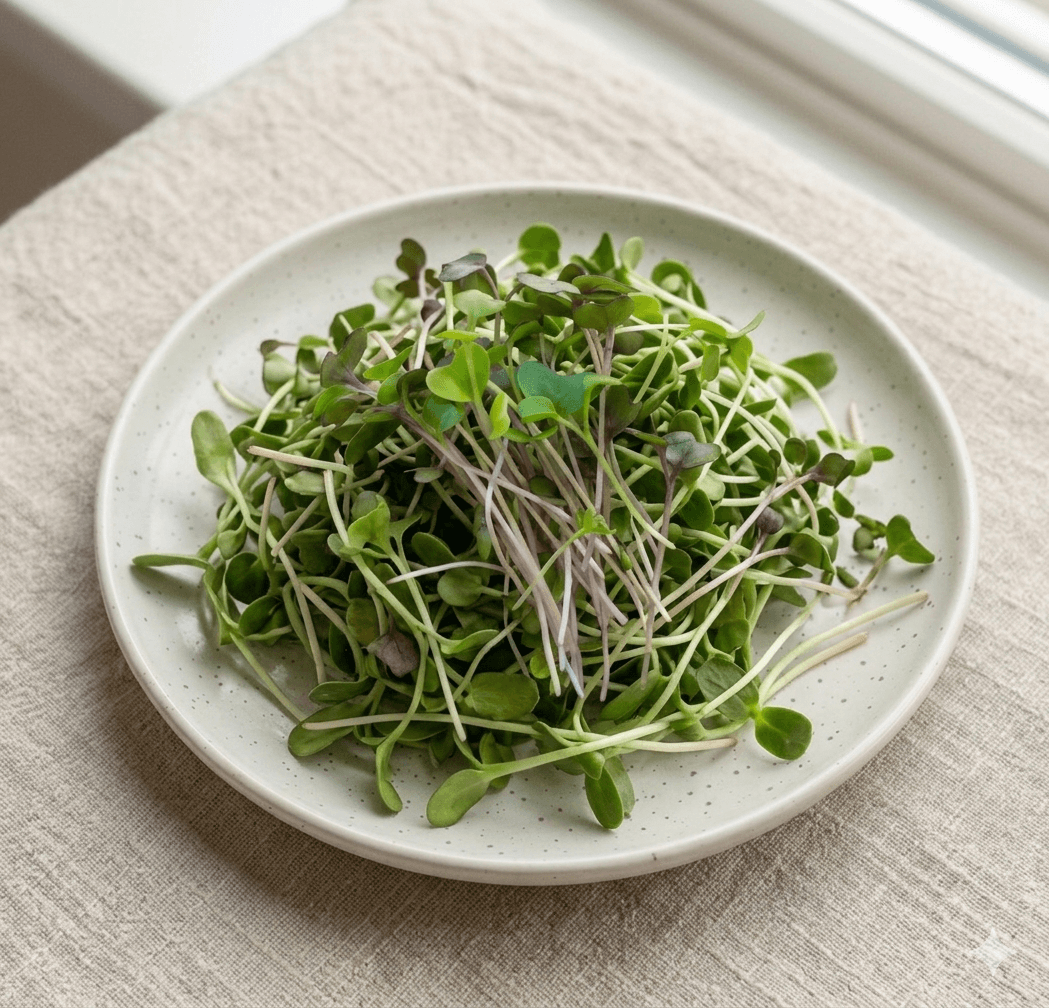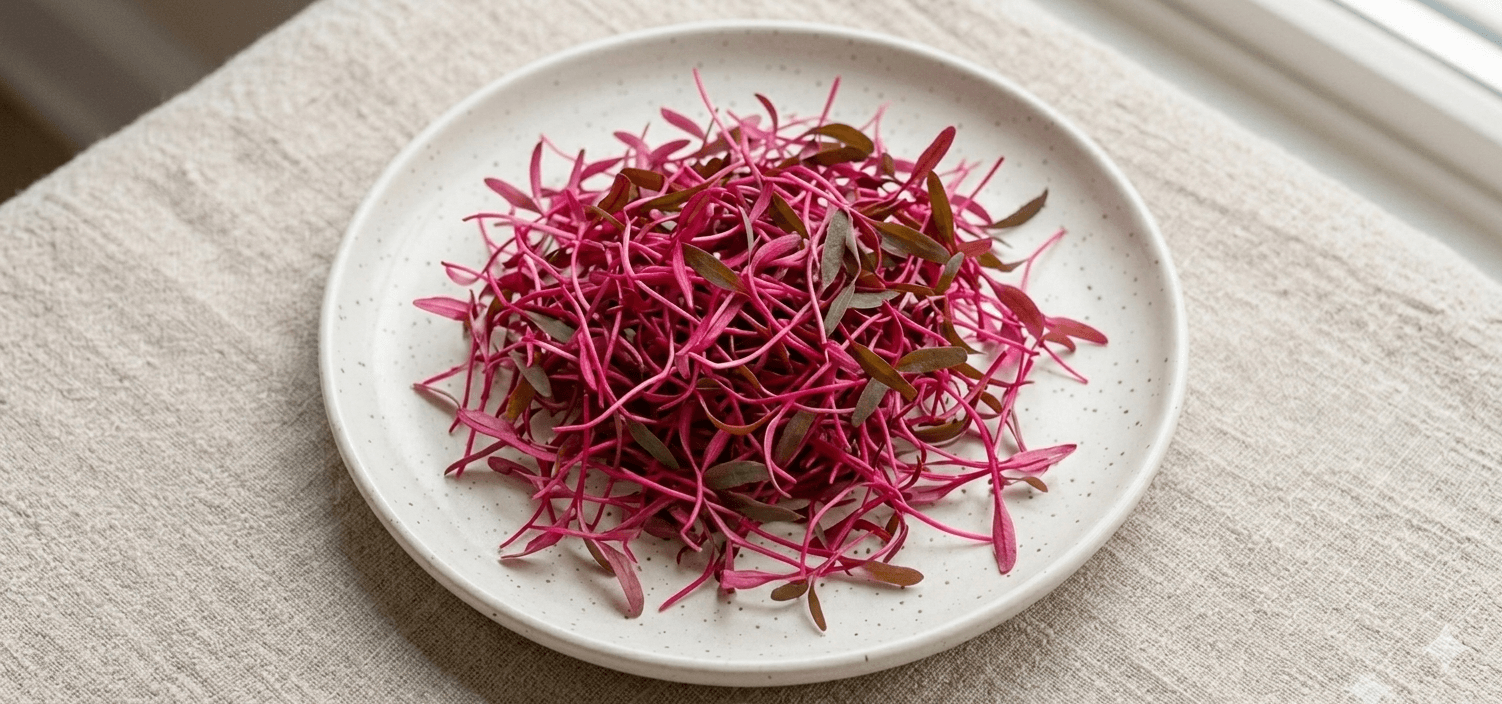
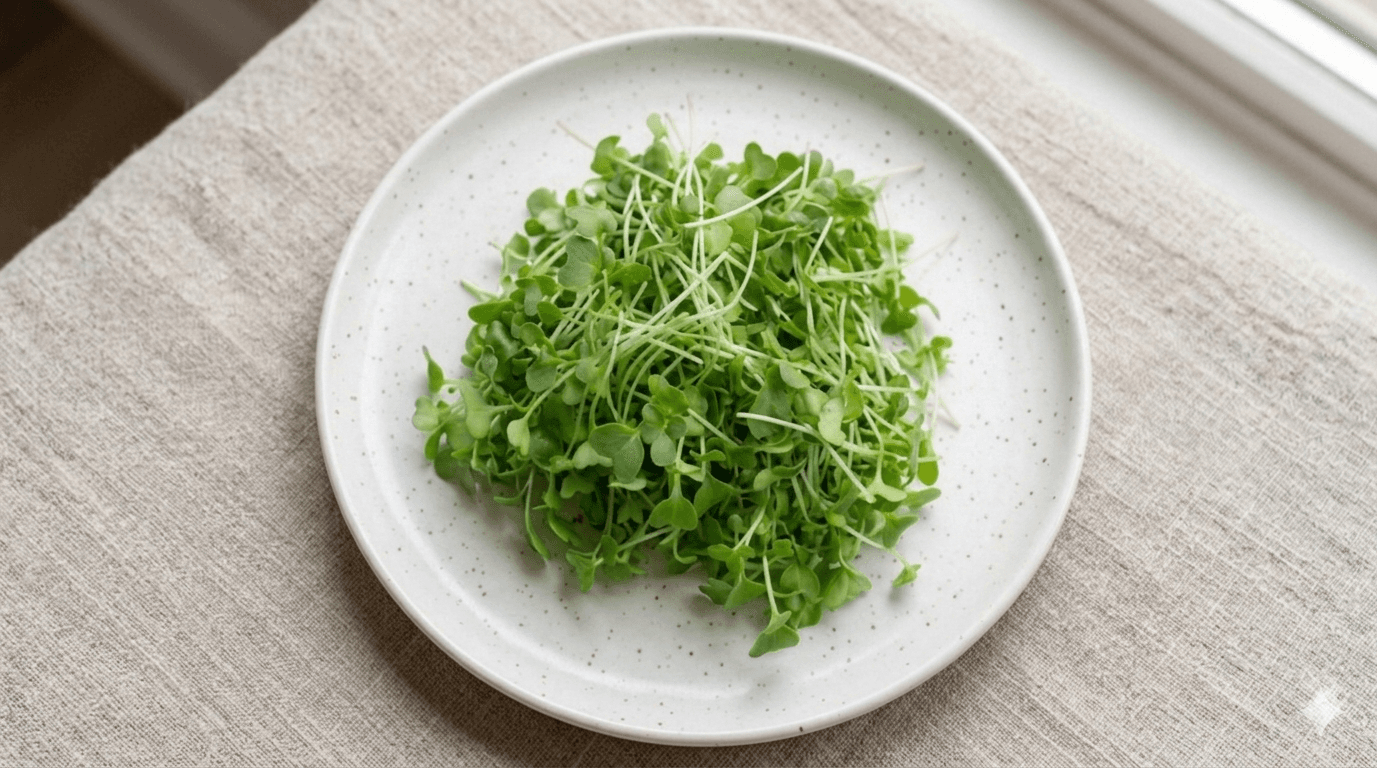
Broccoli
Anti-Inflam.
Individual Variety

Brassica oleracea

Broccoli

Up to 100× more sulforaphane precursor than mature broccoli

One of the most antioxidant-dense microgreens. Anti-inflammatory and excellent for recovery.

Key Compound

Glucoraphanin → Sulforaphane (most studied anti-cancer, anti-inflammatory compound in food)

Why Broccoli?

Anti-Inflammatory SupportRich in antioxidantsSupports recoveryAids detox

How to Consume

  • Always eat raw — cooking inactivates myrosinase and destroys sulforaphane generation
  • Chop or chew thoroughly before eating to trigger the glucoraphanin + myrosinase reaction
  • 20–40 g daily (roughly a handful) is the dose studied in clinical trials for sulforaphane benefits
  • Sulforaphane has been shown to survive light blending — adding to smoothies is effective
  • Pair with mustard seeds or radish microgreens — they contain extra myrosinase that boosts sulforaphane yield even in lightly cooked dishes

Key Bioactives

Glucoraphanin — 73–161 mg/100 g

The direct precursor to sulforaphane. Broccoli microgreens are consistently documented as one of the richest food sources of glucoraphanin — similar to broccoli sprouts (Bouranis et al., 2023, Foods / PMC10606698)

💡 4.8 µmol/g of glucoraphanin in microgreen phase

Sulforaphane (activated by myrosinase on chewing)

Activates the Nrf2 antioxidant pathway (Phase II detox enzymes); documented anti-inflammatory, chemopreventive, and neuroprotective properties. Clinical trials show benefits for blood sugar regulation in Type 2 diabetes, cardiovascular inflammation reduction, and potential Alzheimer's prevention (PMC10606698). Research links it to reduced risk of prostate, breast, and colon cancers.

💡 Broccoli microgreens contain 10–100× more sulforaphane precursor than mature florets. DO NOT cook — heat destroys myrosinase.

Isothiocyanates (sulforaphane + others)

Broad-spectrum anticancer; anti-inflammatory; activate Nrf2-mediated cellular defence

Lutein + Zeaxanthin

Carotenoids that accumulate in retinal tissue; protect against age-related macular degeneration and blue-light damage

Kaempferol & other flavonoids

Synergistic antioxidant and anti-inflammatory effect alongside sulforaphane

Sources & Studies

  • Bouranis et al. (2023), Foods PMC10606698 — sulforaphane bioavailability study
  • Scientific Reports (2025) PMC11842852 — iron and manganese highest in broccoli microgreens
  • microgreensworld.com — 51 mg Vitamin C and USDA data
  • signaturemicrogreens.co.uk — 117 mg Vitamin C, 130 µg Vitamin K
  • Piedmont Microgreens — 73–161 mg/100 g glucoraphanin citing Renna et al. (2020)

Nutritional Profile

NutrientAmount/100g% DV
Calories~31 kcal
Protein~2.3 g
Carbohydrates~7 g
Dietary Fiber~0.4 g
Fat~0.4 g

Values per 100g fresh weight (FW). % Daily Value based on 2,000 kcal diet. Tap a nutrient row to see sourcing notes.

₹220